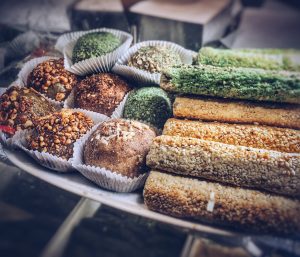
Food is more than just sustenance; it’s a reflection of culture, history, and tradition. Each dish tells a story, and every bite is an opportunity to delve into the heritage of a particular region. Let’s embark on a journey to uncover the fascinating insights of food culture from around the world.
1. Culinary Traditions and Rituals
Food is often at the heart of cultural traditions and rituals. Whether it’s the annual Thanksgiving feast in the United States or the elaborate Chinese New Year’s banquet, these culinary traditions bring families and communities together. Exploring the significance and customs surrounding these rituals provides a deeper understanding of the culture they belong to.
2. The Influence of Geography
Geography plays a pivotal role in shaping food culture. Coastal regions often feature seafood as a staple, while mountainous areas may rely on hearty and warming dishes. By examining the geography of a region, you can gain insights into the ingredients, flavors, and cooking techniques that define its cuisine.
It’s important to recognize that food culture isn’t static. It evolves over time, influenced by factors like immigration, globalization, and technological advancements. For instance, the fusion of flavors in modern American cuisine is a testament to the ever-changing nature of food culture.
Travel is one of the best ways to explore food culture firsthand. Sampling traditional dishes, visiting local markets, and engaging with chefs and home cooks can provide an immersive experience. However, if travel isn’t an option, you can also explore food culture through cookbooks, documentaries, and food festivals that celebrate the diversity of world cuisine.
In conclusion, food culture is a gateway to understanding the world’s rich tapestry of traditions, rituals, and flavors. By delving into culinary traditions, considering the influence of geography, acknowledging cultural evolution, and exploring through travel or other resources, you can gain valuable insights into the cultural significance of food. Food culture connects us to our past, our present, and the wider world, making every meal a delicious exploration of our shared human experience.